


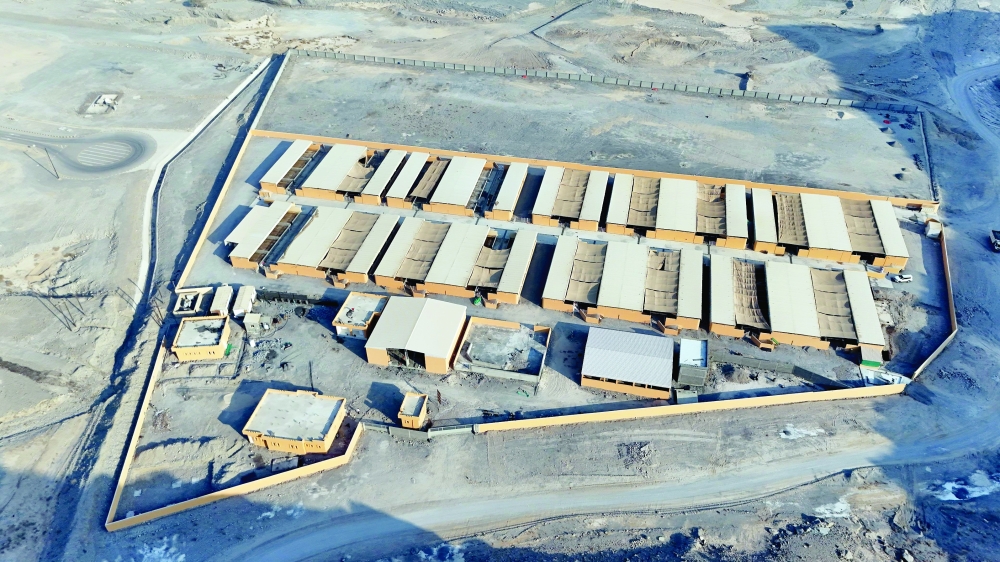





KHASAB: Musandam Governorate is continuing to strengthen its position as one of Oman’s emerging centres for food security, supported by a growing portfolio of investment projects in fisheries, aquaculture, agriculture and water resources that aim to boost self-sufficiency, diversify the economy, and reinforce sustainable development goals under Oman Vision 2040.
According to officials, the governorate is leveraging its natural resources, strategic maritime location along key international shipping routes, and ongoing development initiatives to enhance food and water security systems while expanding opportunities for private investment. These factors are contributing to Musandam’s growing role as a regional hub for marine-based food production and supply chain development.
The fisheries sector remains a major driver of this transformation, with increasing investments in fish processing, packaging and canning facilities, alongside ice plants for preservation and freezing, fishing gear and equipment services, and boat maintenance workshops.
These developments are supported by infrastructure provided by the Ministry of Agriculture, Fisheries and Water Resources, along with facilitation measures aimed at encouraging private sector participation.
Aquaculture is also witnessing significant expansion, particularly in floating cage fish farming projects, supported by Musandam’s natural advantages, including sheltered bays, creeks, and extensive marine areas. Technical surveys have identified more than 30 suitable sites across the governorate for fish farming development, further strengthening its potential as a leading aquaculture destination in the Sultanate of Oman.
Several high-value investment projects are already underway in the governorate. These include a floating cage fish farming project in Khasab valued at over RO 10 million, a veterinary quarantine and laboratory project worth RO 2 million, and a table egg production project exceeding RO 2.6 million. Additional initiatives include the management and operation of Khasab fishing port with an investment of 8 million rials, water purification and bottling facilities in Khasab and Dibba, a fish freezing and packaging plant in Dibba, and greenhouse-based agricultural projects, alongside tourism-linked food sector developments.
The ministry has also launched new investment opportunities through the ‘Tatweer’ platform during 2025, with projects exceeding 10 million rials across the governorate. These include cattle farms, seasonal fodder cultivation, and dairy production facilities in Bukha; wild tree cultivation, beekeeping, and agricultural nurseries in Madha; and similar projects in Khasab focused on beekeeping and native vegetation cultivation.
In Dibba, planned initiatives include fish salting, drying and freezing factories, along with finfish farming projects that aim to strengthen fish-based industries and enhance the value chain of marine products. Officials say these developments are expected to significantly increase local production capacity while supporting food processing industries.
Looking ahead, Musandam’s 2026 investment pipeline—estimated at RO 16.6 million —includes additional projects in water bottling, beekeeping, palm cultivation and date production, integrated agriculture, oyster farming, marine fishing port operations and maintenance, broiler chicken production, fish storage and cooling facilities, and other modern food production systems.
Dr Ali bin Abdullah al Alawi, Director-General of the Directorate-General of Agricultural, Fisheries and Water Resources in Musandam, said these initiatives are designed to enhance production efficiency, promote sustainable resource use, and strengthen food supply chains. He noted that the ministry is focused on increasing agricultural, fisheries, and water output while supporting small and medium enterprises and improving local content in the sector.
He added that emphasis is being placed on smart agriculture and sustainable aquaculture practices through modern technologies that improve water efficiency and optimise production, storage and cold-chain systems. These efforts, he said, are intended to ensure long-term sustainability of natural resources while increasing Musandam’s contribution to national food security.
Officials further stressed that the integration of public and private sector efforts will be key to attracting quality investments and building a resilient, diversified food production ecosystem that supports both local communities and national development objectives. — ONA
Oman Observer is now on the WhatsApp channel. Click here


